Building financial fluency: Willamette University adds new degree option
May 11, 2026
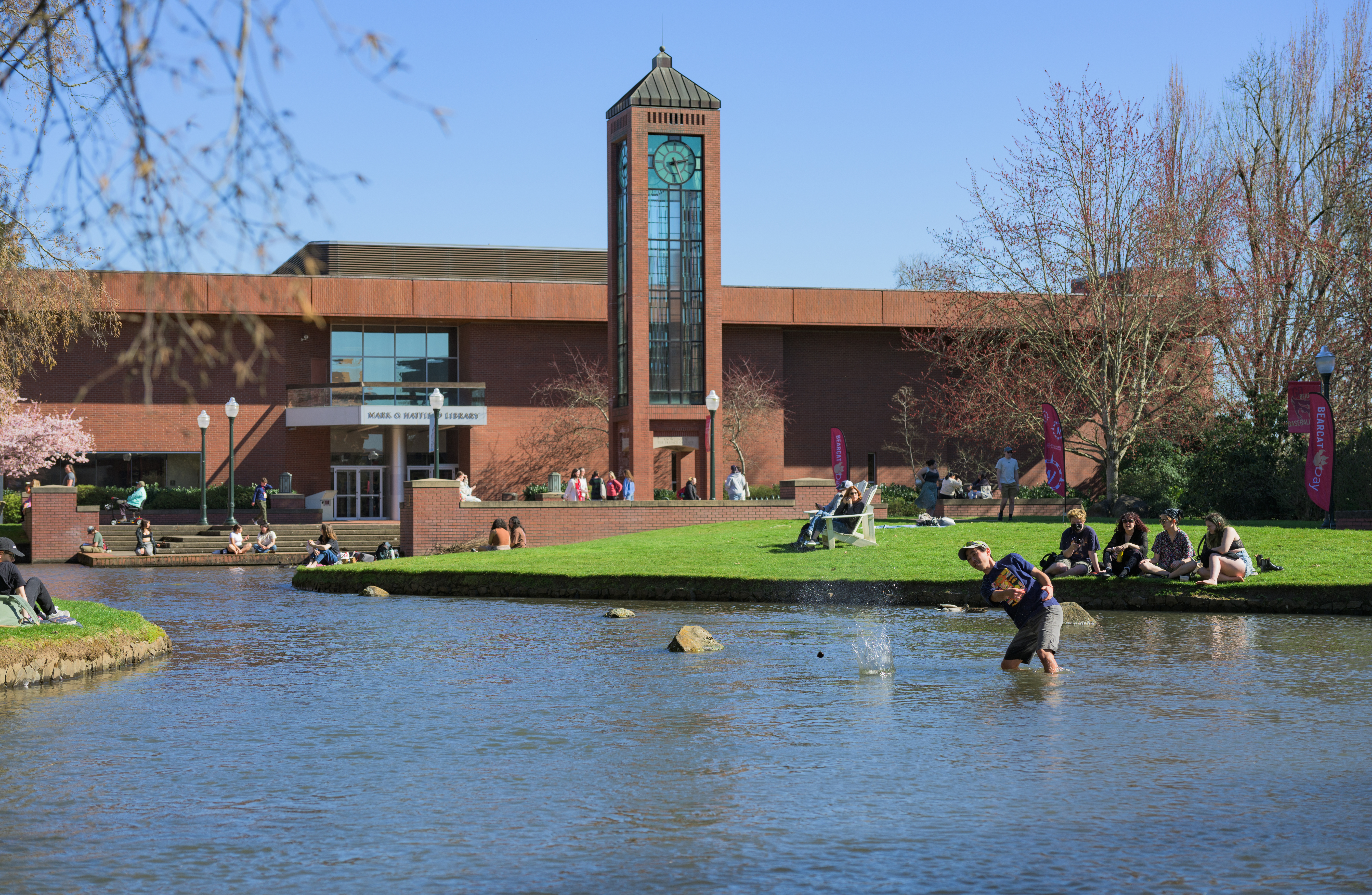
Starting fall 2026, there is a new degree option for aspiring accounting and finance professionals. Willamette University will offer a new Master’s in Accounting & Finance. Romana Autrey, Ph.D., CPA (inactive), CMA, CFF, CFE, Dean and Associate Professor of Accounting at Willamette’s Atkinson Graduate School of Management and her team shared some information about this exciting new program.
The idea came from watching how the profession has been changing. The traditional separation between accounting and finance is starting to disappear. Employers want people who can understand financial reporting, analyze financial performance, and help organizations make better decisions.
At the same time, there is a serious shortage of accountants across the country and here in Oregon. We saw an opportunity to design a program that helps address that workforce need while also preparing students with broader financial skills.
Technology was another big factor. Tools like automation, data analytics, and artificial intelligence are becoming part of everyday work in accounting and finance. We wanted a program that reflects the reality of the profession today and prepares students to work confidently at that intersection.
One of the biggest advantages of the program is flexibility. Students graduate with a strong foundation in both accounting and finance, which opens more doors early in their careers.
Wherever graduates begin their careers — be it public accounting, corporate accounting, or financial analysis — their ability to understand both sides of financial information makes them more valuable to employers and facilitates future career mobility.
The program also supports preparation for professional credentials such as the CPA and CFA exams. Through hands-on experiences like managing investments in the O’Neill Student Investment Fund, participating in the Angel Fund, or, for those drawn to the nonprofit sector, engaging in the Philanthropic Investment for Community Impact (PICI) course, students gain both the technical knowledge and practical experience that employers value most.

The students who will do best are curious about how organizations make financial decisions. They enjoy working with numbers, but they also want to understand the story behind the numbers and how that information drives strategy.
The program works well for students who want to build strong technical skills and move quickly into the workforce through a one-year graduate degree. It is also a good fit for students who are interested in professional credentials like the CPA or CFA.
Students who enjoy hands-on learning and are interested in how technology is changing the profession will likely find the program especially engaging.
The program is designed as a one-year graduate degree that begins each fall, so students should plan ahead and apply early. The application process is similar to other graduate masters programs at the Atkinson Graduate School of Management.
Applicants will submit transcripts, a resume, and the other standard materials required for graduate admission. Students with backgrounds in business, accounting, economics, or other quantitative fields often come in well prepared, but the program is open to students from a range of academic backgrounds who have strong analytical skills.
Anyone interested in the program should connect with the admissions team early. That is often the best way to learn more about the curriculum, the experiential opportunities, and what the program is looking for in applicants.
Partnerships between universities and professional organizations are extremely important, especially given the current shortage of accountants.
Groups like the Oregon Society of CPAs can help by connecting students with professionals through mentorship, networking events, and guest speakers who can share real perspectives from the field. Those connections help students better understand career paths and build relationships early in their careers.
Internships and early career opportunities are also essential. They allow students to apply what they are learning and give employers a chance to meet and develop future talent.
More broadly, professional organizations can play a big role in highlighting the value and impact of accounting careers. Helping students see the opportunities in the profession is one of the most effective ways to strengthen the workforce pipeline in Oregon.
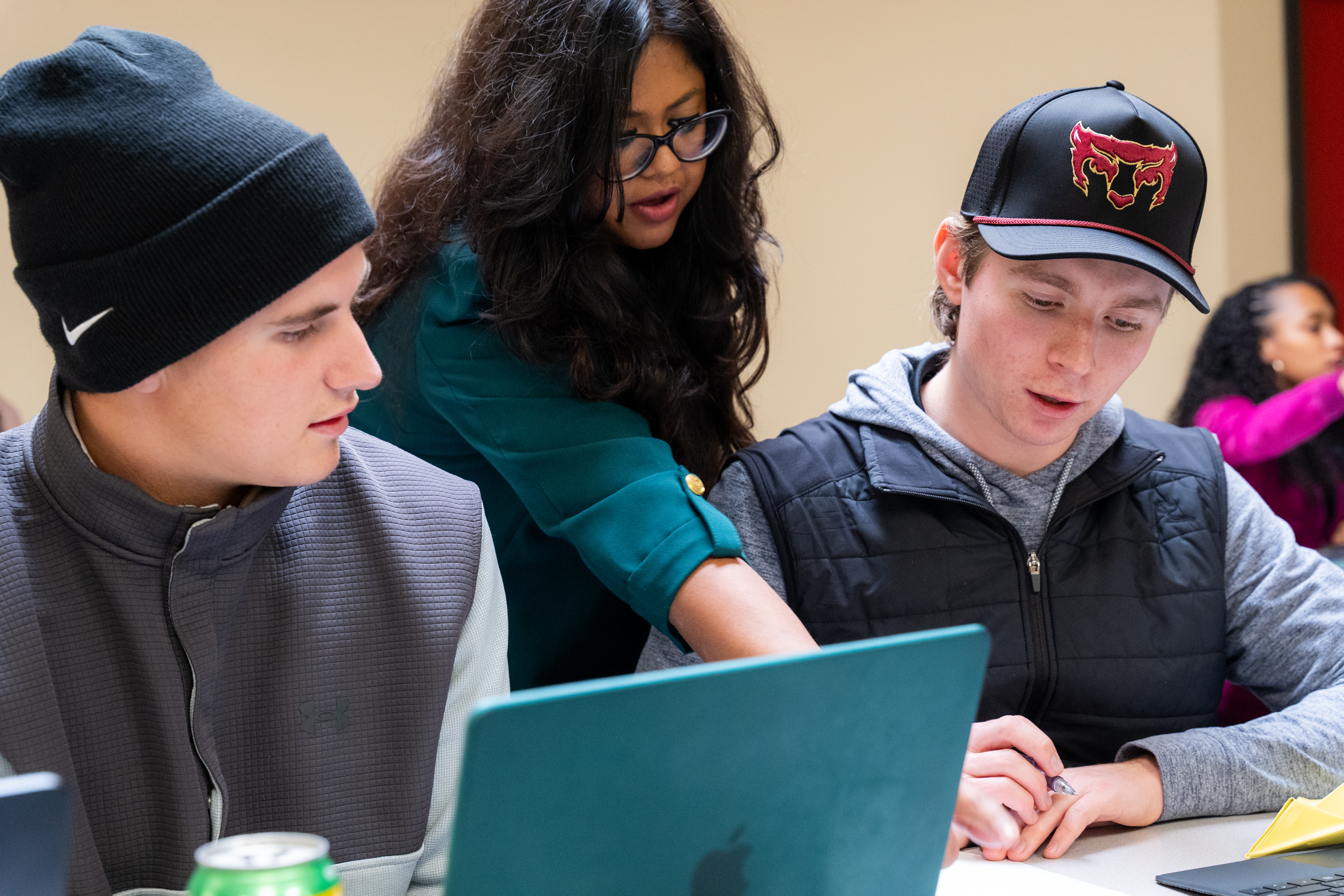
To learn more about the Accounting and Finance Master’s Degree, visit https://willamette.edu/academics/mba/ms-accounting-finance.