Speaker Spotlight: Sonjia Barker
November 24, 2026
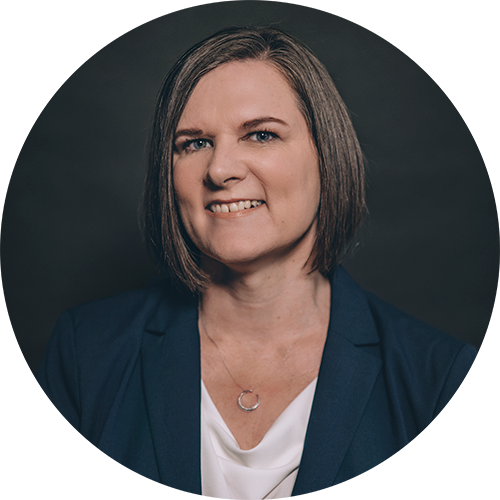
Sonjia Barker, CPA
Principal, State and Local Tax
CLA (CliftonLarsonAllen LLP)
What is happening in Washington's tax landscape that Oregon CPAs should be paying particularly close attention to?
Washington’s tax landscape continues to evolve, and we have seen quite a bit of change in a relatively short period of time with the capital gains tax, expansion of the sales tax, and the upcoming income tax. For Oregon CPAs and their clients, I think it is especially important to understand how easily Oregon businesses can develop Washington tax obligations, particularly for B&O tax and sales tax, even without a traditional physical presence in the state.
What is one misconception or overlooked issue related to Washington taxes that you'd like to help clarify?
A common misconception is, “This doesn’t apply to me or my clients because we are in Oregon.” Oregon and Washington businesses are so interconnected that Washington tax issues can arise more easily than people expect. I hope to help attendees recognize those issues before they become surprises for their clients.
Why is it important for Oregon CPAs to stay informed about tax developments across state lines?
Oregon and Washington are closely connected, and many of our clients have employees, customers, or business activity on both sides of the border. At the same time, the two states have very different tax systems. Staying informed helps Oregon CPAs recognize potential Washington issues early and better advise clients as their businesses grow and evolve.
What is one thing you hope attendees take away from your Washington Tax Update session?
I hope attendees walk away with a better understanding of what to look for and what questions to ask. Washington tax can be complex, and no one needs to memorize every rule. My goal is to help attendees recognize when a Washington tax issue may exist and feel more confident identifying when it deserves a closer look.
Beyond your own presentation, is there another conference topic you're especially interested in?
I am always interested in hearing about developments within Oregon and other states and learning what other practitioners are seeing with their clients. Our clients increasingly operate across state lines, so having that broader perspective helps all of us be better advisors.
If a colleague asked why they should attend this year's State & Local Tax Conference, what would you tell them?
SALT is constantly evolving, so there is real value in stepping away for a day to get caught up on what’s changing. Just as importantly, it is a great opportunity to connect with other professionals, share experiences, and expand your network. Those relationships can be incredibly valuable when you come across an issue you don’t see every day.
How does your committee involvement complement your work at CLA?
I have spent a significant part of my career working with Oregon and Washington businesses, so staying connected to the Oregon CPA community is important to me. The SALT Committee gives me an opportunity to contribute my experience while also learning from other professionals who bring different perspectives.
What has been most rewarding about contributing your expertise to OSCPA?
For me, the most rewarding part has been the relationships. I enjoy sharing what I have learned, but I also learn a tremendous amount from the other people involved. SALT is such a broad and constantly evolving area that having a strong community of professionals you can learn from and exchange ideas with is incredibly valuable.
What advice would you give other professionals interested in becoming more involved?
Don’t wait until you feel like you are an “expert” to get involved. Some of the best professional development happens through participating, asking questions, and learning from people with different experiences. Getting involved early is also a great way to build a network that can stay with you throughout your career.
Join us at the State & Local Tax Conference to hear more from Sonjia.
